




What Is IGF-1 LR3?
IGF-1 LR3, or Long-R3-IGF-1, is a lab-made version of insulin-like growth factor-1. By tweaking its structure, adding 13 extra amino acids and replacing one, the molecule becomes stronger and lasts longer in the body. Native IGF-1 usually breaks down in about 12 hours, while IGF-1 LR3 can stay active for 20–30 hours. That longer activity is what makes it attractive in performance, recovery, and increasingly, in aesthetic settings.
Why does this matter in aesthetic medicine? Because this longer-lasting effect makes it a candidate for therapies aimed at muscle tone, tissue repair, skin quality, and even metabolic balance. It’s part of the broader category of IGF-1 peptide therapy, which is gaining attention in the anti-aging and performance fields. Still, it’s important to emphasize to patients that while the science is intriguing, IGF-1 LR3 is not FDA-approved, and its use remains experimental outside of research or wellness clinics.
What Does IGF-1 LR3 Do?
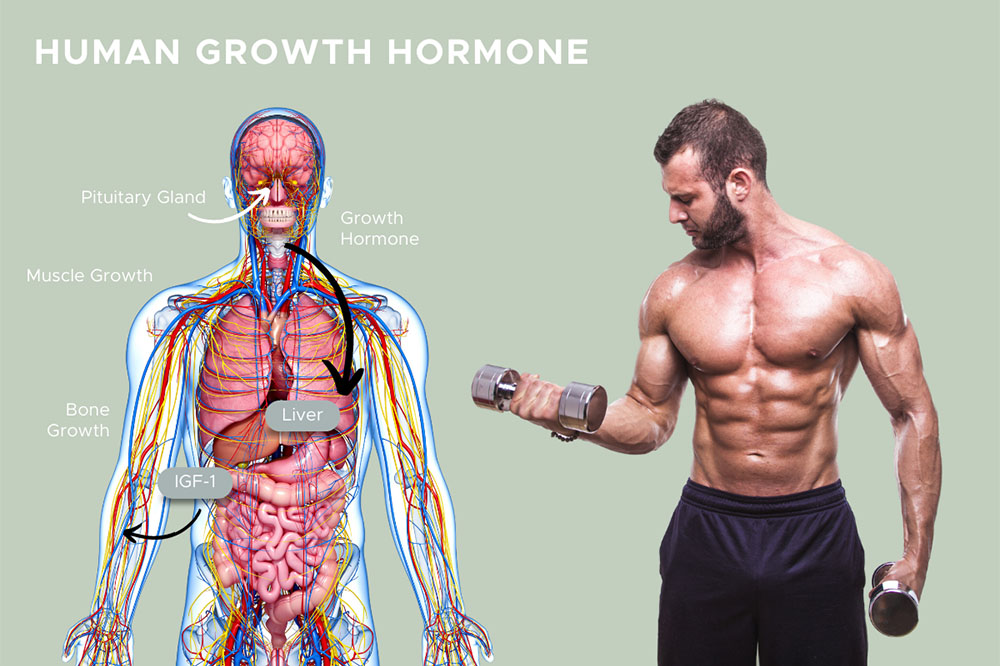
At its core, IGF-1 LR3 acts like a messenger that tells your cells to grow, repair, and use nutrients more efficiently. When it binds to IGF-1 receptors, it activates pathways inside the body that stimulate protein building, cell repair, and energy use. This is why it’s often talked about in the context of muscle growth, fat metabolism, and tissue recovery.
It also influences metabolism by improving glucose uptake and encouraging the body to burn fat more efficiently. Some users describe this as a “leaning effect,” though it’s important to frame this carefully: IGF-1 LR3 isn’t a stand-alone weight loss solution, but rather a potential support tool for body composition when combined with lifestyle changes.
In short, IGF-1 LR3 is like a cellular “green light,” nudging the body toward growth and repair. That’s what makes it appealing across fields, from performance recovery to IGF-1 peptide therapy in aesthetic and anti-aging practices. But it’s also why medical supervision is key, anything that pushes cells to grow faster carries both potential benefits and risks.
How IGF-1 LR3 Works in the Body
Once injected, IGF-1 LR3 travels through the bloodstream and attaches to IGF-1 receptors found on many different types of cells. For aesthetic medicine, the appeal lies in this combination of tissue repair and collagen support. By influencing the same processes that help muscles and connective tissue rebuild, IGF-1 LR3 might also encourage firmer, healthier-looking skin. Of course, the flip side is that prolonged stimulation of growth signals needs careful oversight, since anything that speeds up cell growth can have risks too.
Post time: Mar-18-2026