




Testosterone enanthate is an injectable androgen medication used for testosterone replacement therapy (TRT) to treat low testosterone (hypogonadism), delayed puberty in males, and breast cancer in females, usually administered every 2 to 4 weeks. It works by slowly releasing testosterone into the body to normalize hormone levels and manage symptoms.
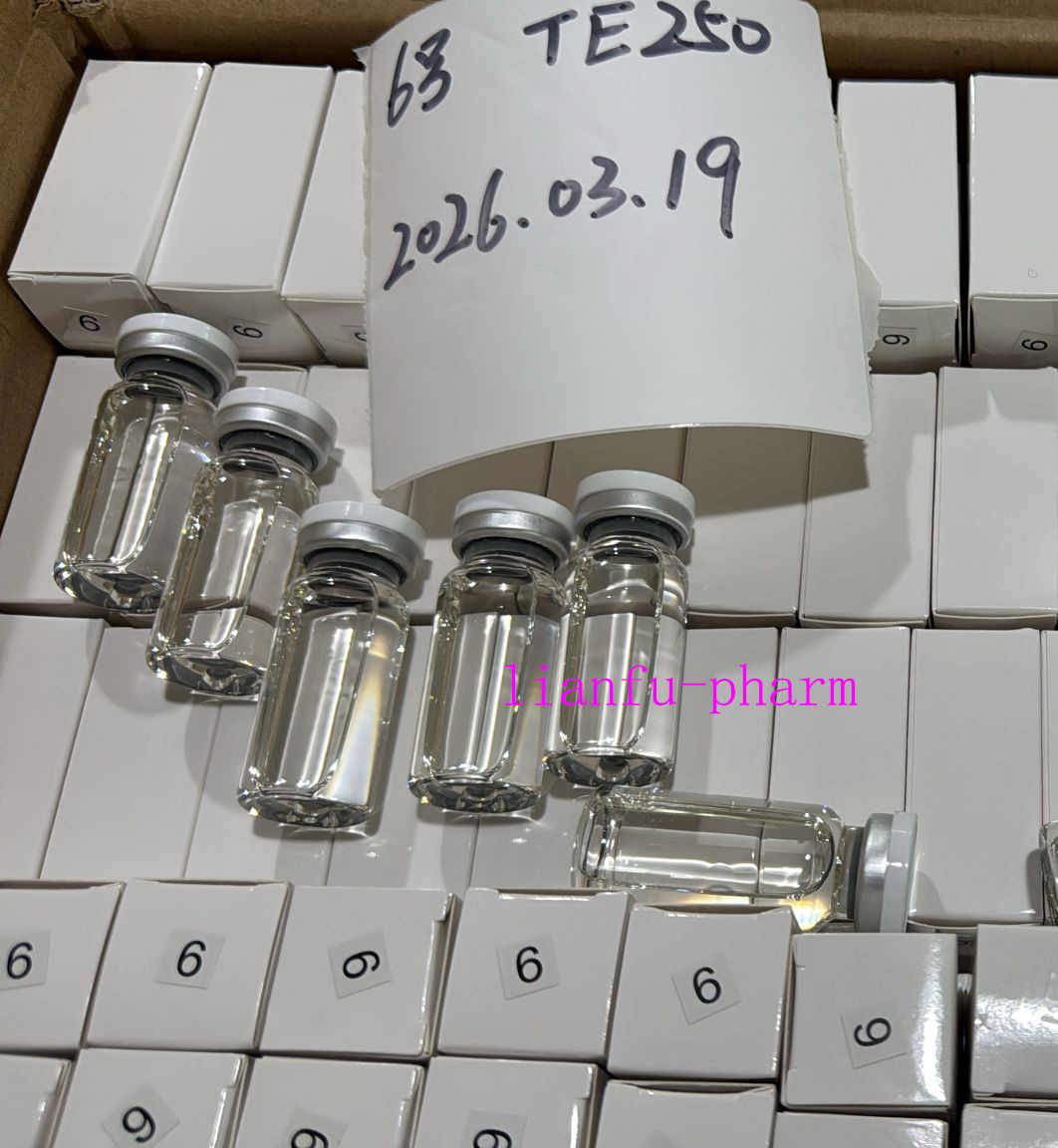
Common Uses and Administration
Hypogonadism: Treating males with low or no testosterone.
Delayed Puberty: Stimulating puberty in males.
Gender-Affirming Care: Used in hormone therapy for transgender men.
Administration: Deep injection into the buttock muscle (intramuscular) or via specialized subcutaneous autoinjectors.
Duration: Acts as a medium-length ester, releasing gradually to maintain stable levels over 2–4 weeks.

Side Effects and Risks
Testosterone enanthate can cause significant side effects:
Common: Acne, pain at the injection site, increased hemoglobin/hematocrit, and weight gain.
Serious: Potential for liver damage, prostate cancer risk, cardiovascular issues (heart attack, stroke), and withdrawal symptoms.
Other: Low sperm count, infertility, and masculinizing effects in women.
Important Considerations
Monitoring: Regular check-ups are necessary to measure blood testosterone levels, hematocrit, and prostate-specific antigen (PSA).
Contraindications: It should not be used in men with breast or prostate cancer or in pregnancy.
Mechanism: It is an esterified variant of testosterone, increasing the duration of action compared to free testosterone.
Note: The drug should be used carefully, particularly regarding its effect on liver function and cardiovascular health.
Post time: Mar-25-2026